JILYA STAFF
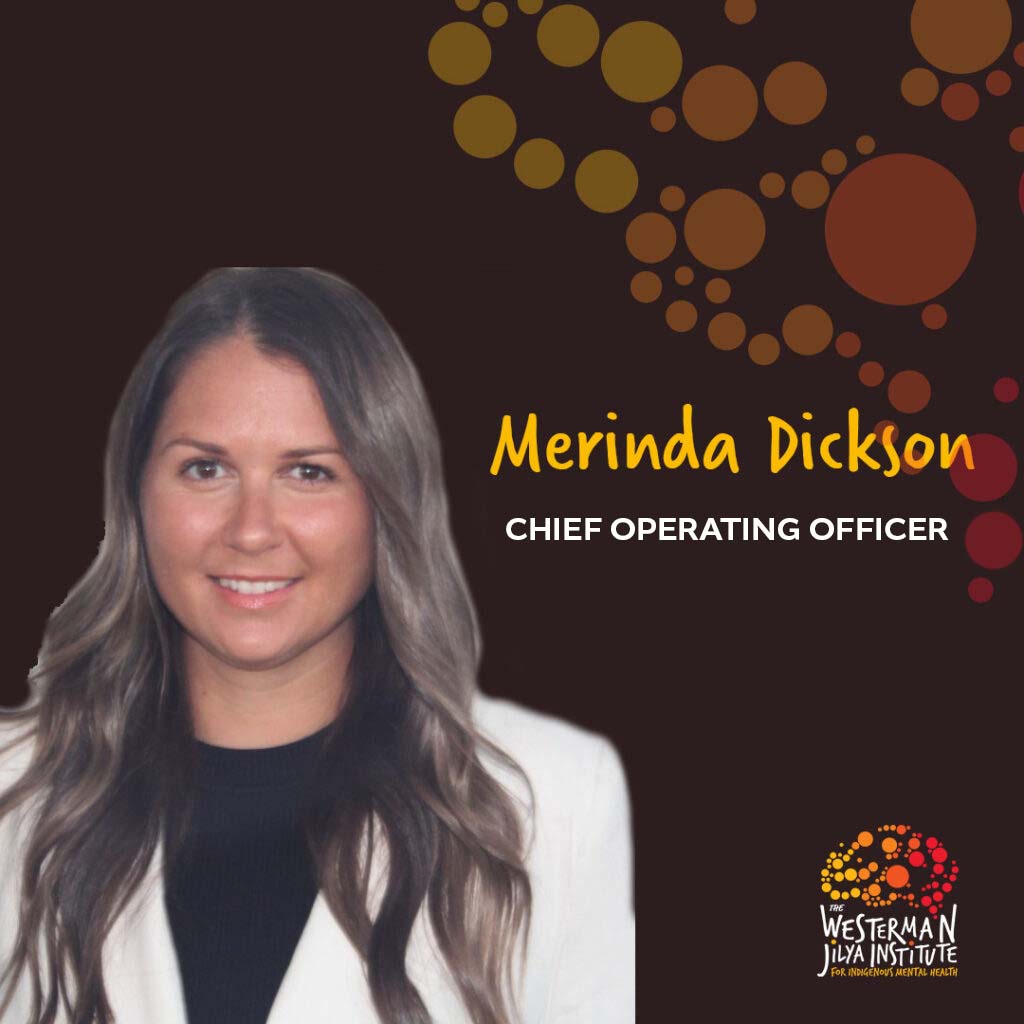
Merinda Dickson
Chief Operating Officer
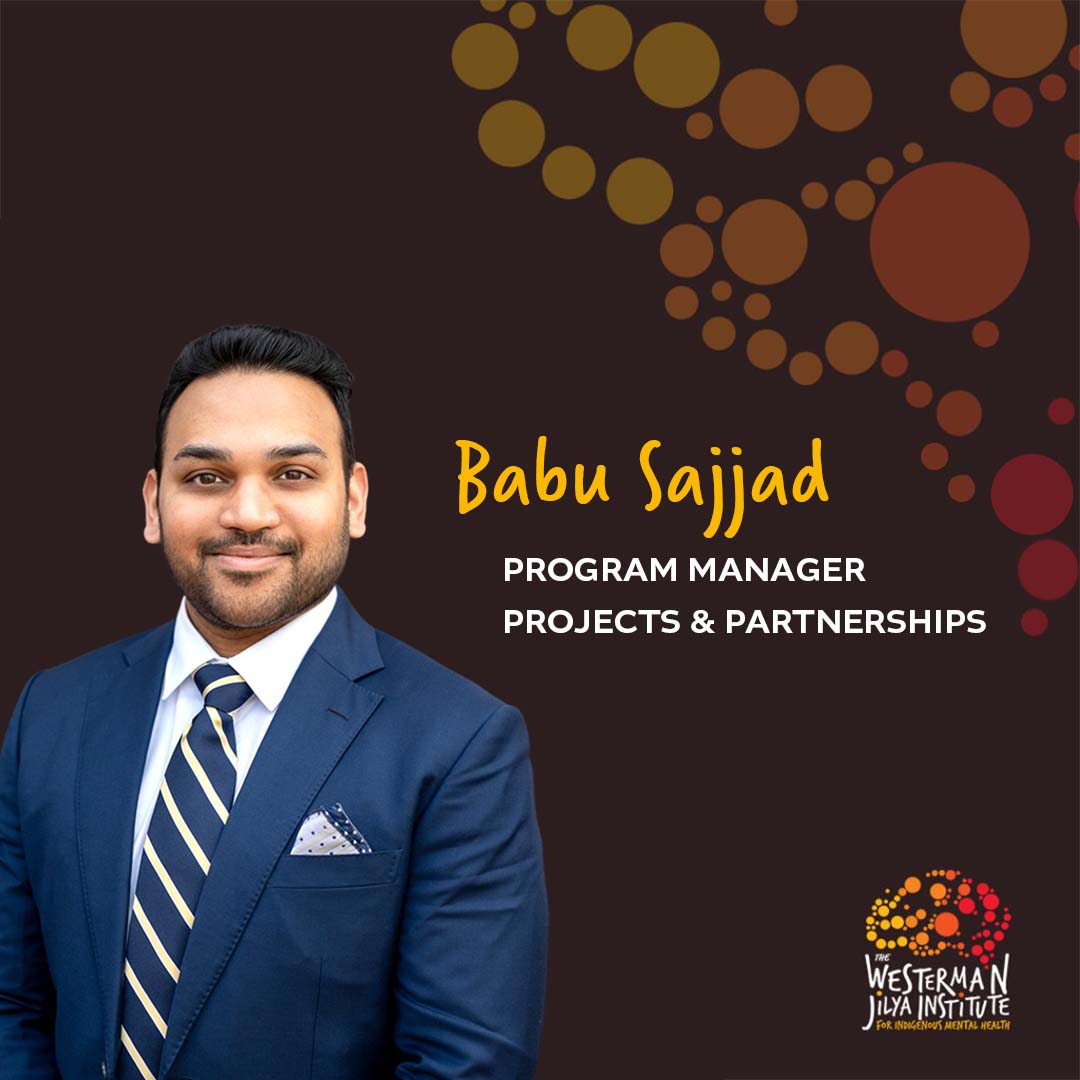
Babu Sajjad
Program Manager - Projects & Partnerships
Research Psychologist
Click to view opportunity
Research Manager
Click to view opportunity
Program Manager - Scholarships
Coming soon
Merinda Dickson
Chief Operating Officer
As a proud Kungarakan Warramungu and a recognised Traditional Owner of the Finniss River and Little Wagait Land Trusts in the Northern Territory, Merinda is passionate about ‘big picture’ goals that drive positive outcomes for Aboriginal and Torres Strait Islander people. Her journey with Jilya started in 2022 as the Program Manager where she developed and facilitated the program for our scholarship recipients. Now in the Chief Operating Officer role, Merinda is responsible for overseeing every aspect the Westerman Jilya Institute’s operations.
Throughout her career, Merinda has worked in managerial roles in varying industries, her extensive experience in business development, project management and community services has given her a diverse skillset and developed a strong network of wonderful people across the country. Merinda brings a strategy focused work ethic and determination to make an impact for the good of Indigenous Australia.
Babu Sajjad
Program Manager – Projects & Partnerships
Babu hails from Chennai, which is in southern India famous for its coastline, temples, and spices. His mother tongue is Tamil which is considered a classical language. He is also proficient in Hindi and other south Indian languages.
Babu is a seasoned public health professional with a comprehensive background in clinical practice, project management, and economics. He is passionate about Aboriginal health and excels in designing and executing projects within the health and disability sectors that aim to enhance the well-being of participants. With over 5 years of dedicated service in the Wheatbelt region, he understands the unique challenges that exist in rural healthcare.
His extensive expertise in strategic planning and growth initiatives, his innovative approach, and adept problem-solving abilities make him an absolute asset to in the Project & Partnerships role and to our growing team.
JILYA BOARD
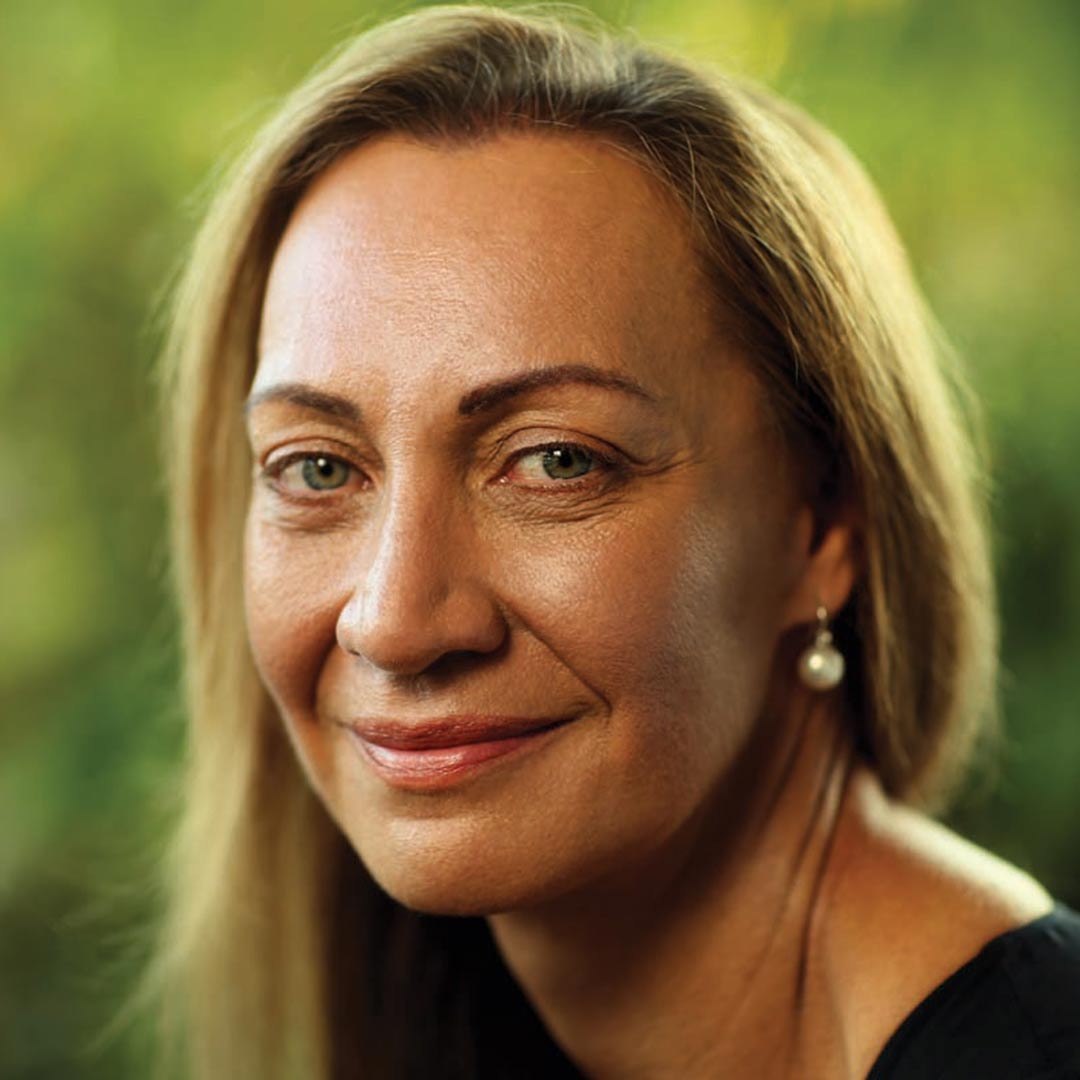
Dr Tracy Westerman AM
Director
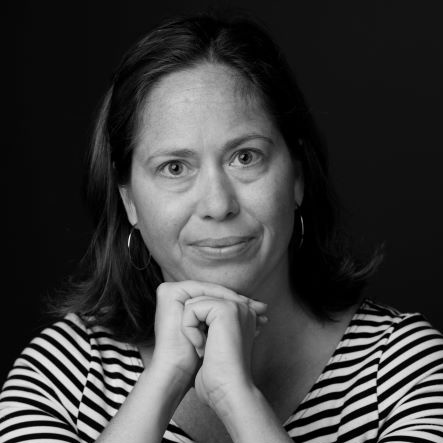
Dr Samantha Cooms
Devon Cuimara
Dr Tracy Westerman AM - Director
Tracy is a proud Nyamal woman from the Pilbara region of Western Australia
Dr Tracy Westerman is a trailblazer in Aboriginal mental health, having been named the 2018 Australian of the Year (WA); Inducted into the 2018 WA Women’s Hall of Fame and awarded the 2018 Lifetime Achievement Award, Curtin University amongst many other accolades. She holds a Post Grad Dip (Psychology), and was the first Aboriginal person in Australia to complete a combined Master’s and PhD in Clinical Psychology. Despite having to undertake her university subjects mostly by distance education, she is a recognized leader in Aboriginal mental health, cultural competence and suicide prevention, achieving national and international recognition. Dr Westerman is a widely sought-after keynote speaker having delivered to 80+ national conferences and internationally in Canada (2003); the USA (2004), Auckland (2006 & 2007) and Wellington (2009). In 2005 the Canadian government sent a delegation to Australia to explore Dr Westerman’s work, resulting in recommendations that the same approaches be adopted for Canadian Aboriginal people (Nunuvut Taskforce, 2006). She was recognized by Canadian Health, 2009 for her substantial contribution to Aboriginal youth mental health & her work has been cited in numerous reports. She has developed seven unique psychometric tests enabling the identification of Aboriginal people at suicide and mental health risk. Having trained 25,000+ clinicians in these tools makes her arguably the most in-demand trainer in Australia. It also means these clinicians have been able to reach many thousands more Aboriginal people at risk. Her most notable awards include:
- 2022 APS Almetrics Award for largest reach for published paper on “Culture Bound Syndromes in Aboriginal Australian Populations”
- 2020 Telstra Business Award, Small Business
- WA Australian of the Year 2018 & Finalist in the Australian of the Year
- Curtin University Lifetime Achievement Award 2018
- Inducted into the WA Women’s Hall of Fame 2018
- 40 under 40 Business Leaders Strategic Alliance Award (2009)
- Suicide Prevention Australia Award for Emerging Researcher (2006)
- NAIDOC National Scholar of the Year (2002)
- Mark Liveris Award, Curtin University, Health Sciences for best Presentation of PhD (2002)
Dr Samantha Cooms
Dr Samantha Cooms is a Noonuccal woman who is a lecturer in the business school at the University of Queensland. Samantha has a Bachelor of Psychology with honours majoring in Indigenous studies and a Graduate Certificate in Indigenous Research and Leadership.
Her PhD is in business and sought to decolonise knowledges in the disability sector by incorporating Quandamooka ways of knowing, being and doing in relation to disability and care provision. Samantha’s work focuses on decolonising and Indigenising hegemonic knowledges with a special interest in equity, diversity, inclusion, and sustainability.
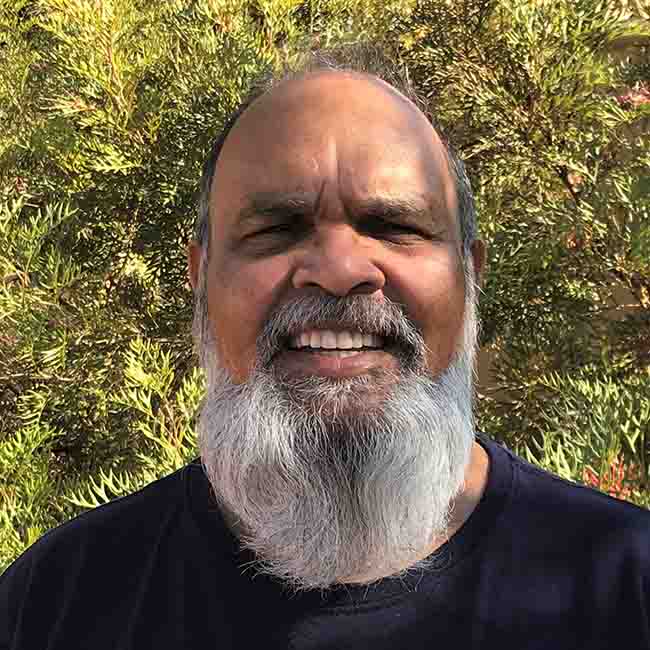
Devon Cuimara
Devon Cuimara is the founder and CEO of Aboriginal Males Healing Centre. Born into a lineage where three consecutive generations have grappled with violence, Devon recognises the prevalence of this issue within his family.
In his familial context, aggressive behaviour has been an unfortunate norm, deeply ingrained through upbringing. He confronts this cycle of abuse head-on, a battle that has encompassed instances of sexual abuse as well.
He founded the Aboriginal Males Healing Centre in response to a failed attempt to rehabilitate through mainstream services and to provide a service that offers an avenue to facilitate the removal of women and children from potentially harmful environments and communities, while also promoting lasting behavioural transformation in First Nations men who are either using or are susceptible to using violence. Devon’s dedication underscores the necessity for greater accountability and responsibility among First Nations men towards women and children.
“I don’t smoke, I don’t use drugs. It’s not our way. We weren’t born like that. I learnt it – So If I could learn it, I could un-learn it.”
Devon’s ancestral roots trace back to the First Nation People of the Southwest of Western Australia through his maternal grandfather’s lineage. His matrilineal kin groups are the Manitjimat (white cockatoo) and the Wardongmat (crow). The term ‘mat’ signifies family, stock, and leg. Devon’s broader moort (family) connections encompass the Wadjuk, Balardong, Wilman, and Pibilman mob, with their emblematic totem being the frog. His ngank (mother’s) lineage extends from the Northwest.
Today, Devon stands as a guest on Nyiyaparli Parna (Land) in WA’s Pilbara region, representing the Martu yirna (Aboriginal men) who seek to address issues of violence. He has yuwajula (permission) granted by yatilykata (elders) from pitjikala and manyjilyjarra, martu (Aboriginal people), where he undertakes the important task of fostering healing and well-being within yirna.
In the realm of black masculinity, Devon highlights its crucial role in shaping identity, self-determination, and political empowerment. With a steadfast commitment to healing and transformation, Devon stands as a testament to overcoming generational challenges, shaping a brighter future for black communities.
JILYA PATRON
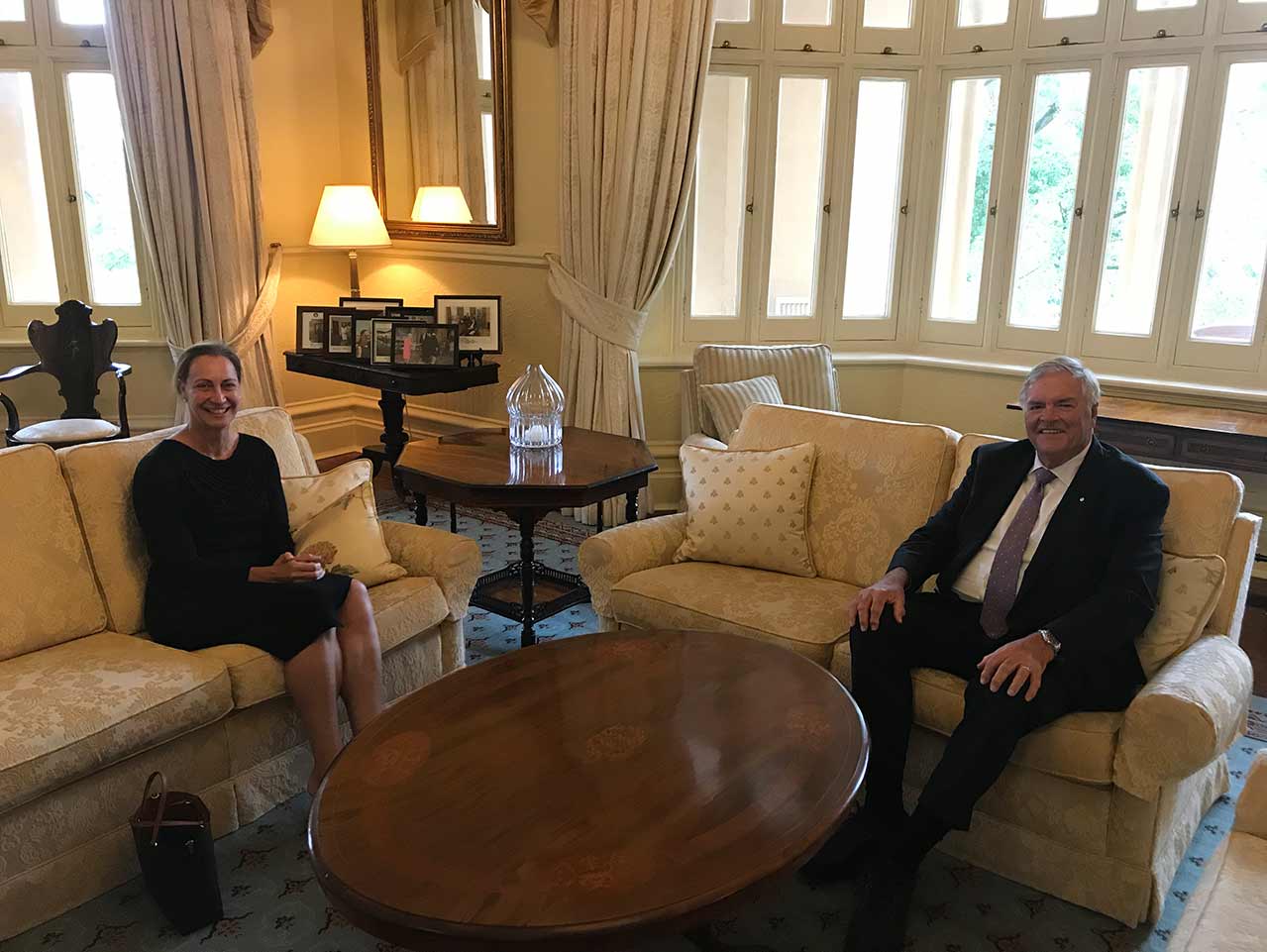
Above: Our patron Kim Beazley with Adjunct Professor Tracy Westerman
A message from our patron Kim Beazley: